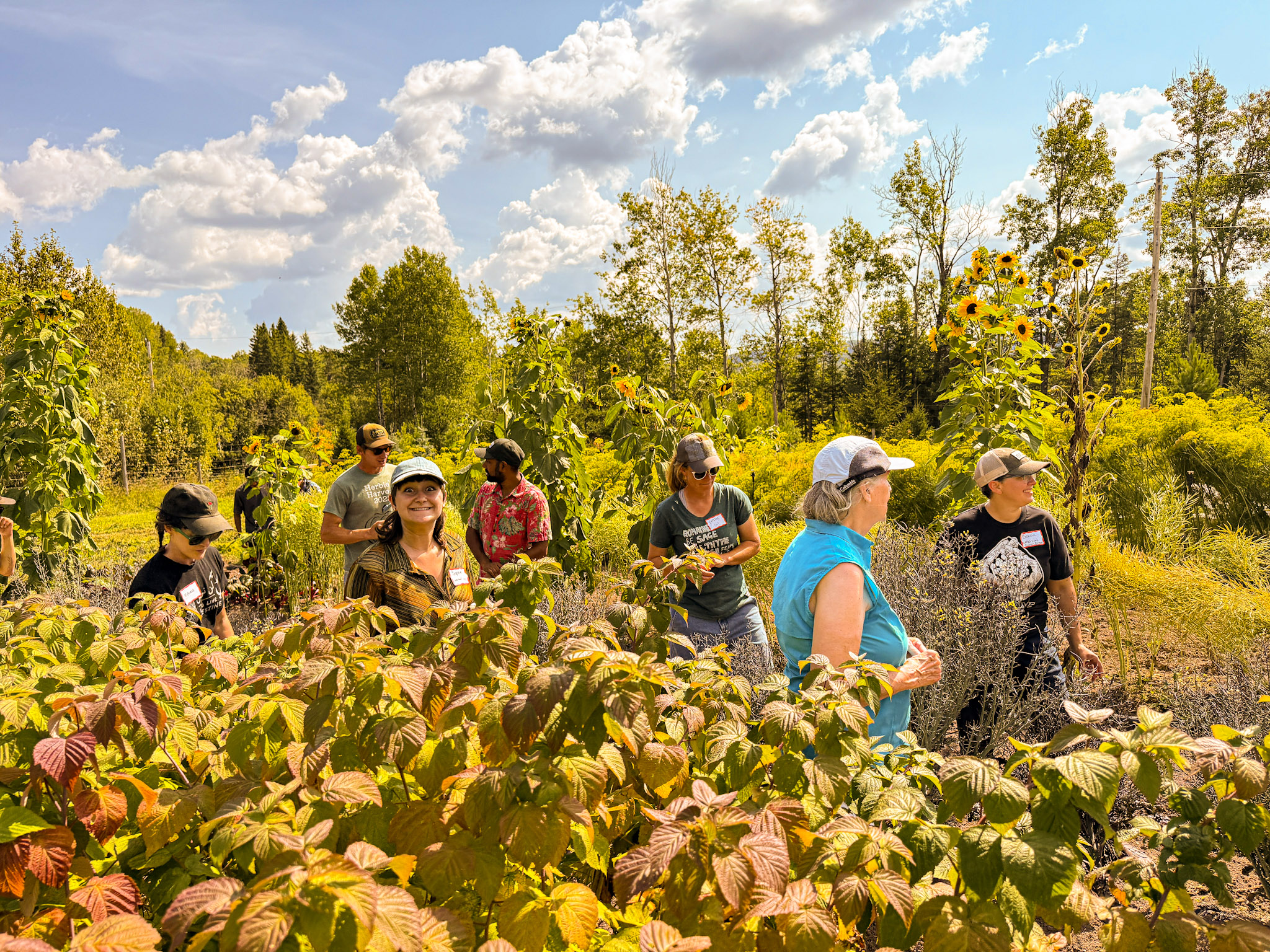
Saving and growing local seeds is powerful work. This year’s community seed events showed how much curiosity, care, and momentum exists around seed sovereignty in Northwestern Ontario. As part of the Breeding Diversity, Community, and Health: Mobilizing Landrace Seed Breeding in Northwestern Ontario project, FAN-NWO and partners have been helping people learn about seed saving, agroecology, and community-led seed stewardship in hands-on, joyful ways.
New to terms like seed sovereignty, agroecology, or landraces? Scroll down for short, accessible definitions to support future learning.
About the Project
This collaborative project brings together Root Cellar Gardens, Gaia Organic Seeds, the Lakehead University Agricultural Research Station (LUARS), the Sustainable Food Systems Lab, Superior Seed Producers, Ecological Farmers Association of Ontario (EFAO), Thunder Bay District Health Unit, Roots Community Food Centre, Lake Superior Living Labs Network, Sioux Lookout First Nations Health Authority, FAN-NWO, and dozens of local growers.
Together, we’re supporting climate-adapted seed stewardship across the region, including exciting community-led breeding in watermelon, squash, grains, and other northern-friendly crops.
Below are three highlights from this season.
Seeds of Change Discussion & Tour (August 29 & 30, 2025)
This two-day gathering brought people together to talk seeds, share stories, and visit the places where local food and seed research is thriving.
Friday evening opened with a shared meal and a panel featuring local growers, researchers, and community organizers. Speakers reflected on why seed sovereignty matters here: our short growing season, the importance of regionally adapted seed, and how community-led breeding programs strengthen our food systems. FAN-NWO’s Executive Director Sarah also connected local seed work to the broader international movement for food and seed sovereignty.
Saturday’s tour brought participants to Roots Community Food Centre’s Lillie Street garden, LUARS, and Root Cellar Gardens. Folks tasted hardy, northern-grown watermelon (grown in just 2.5 months!), learned how breeding trials work, and saved watermelon seeds to take home. The day showcased not only the science behind the work, but also the relationships, growers, and community knowledge that make it possible.
Hymers Fall Fair (August 31 & September 1, 2025)
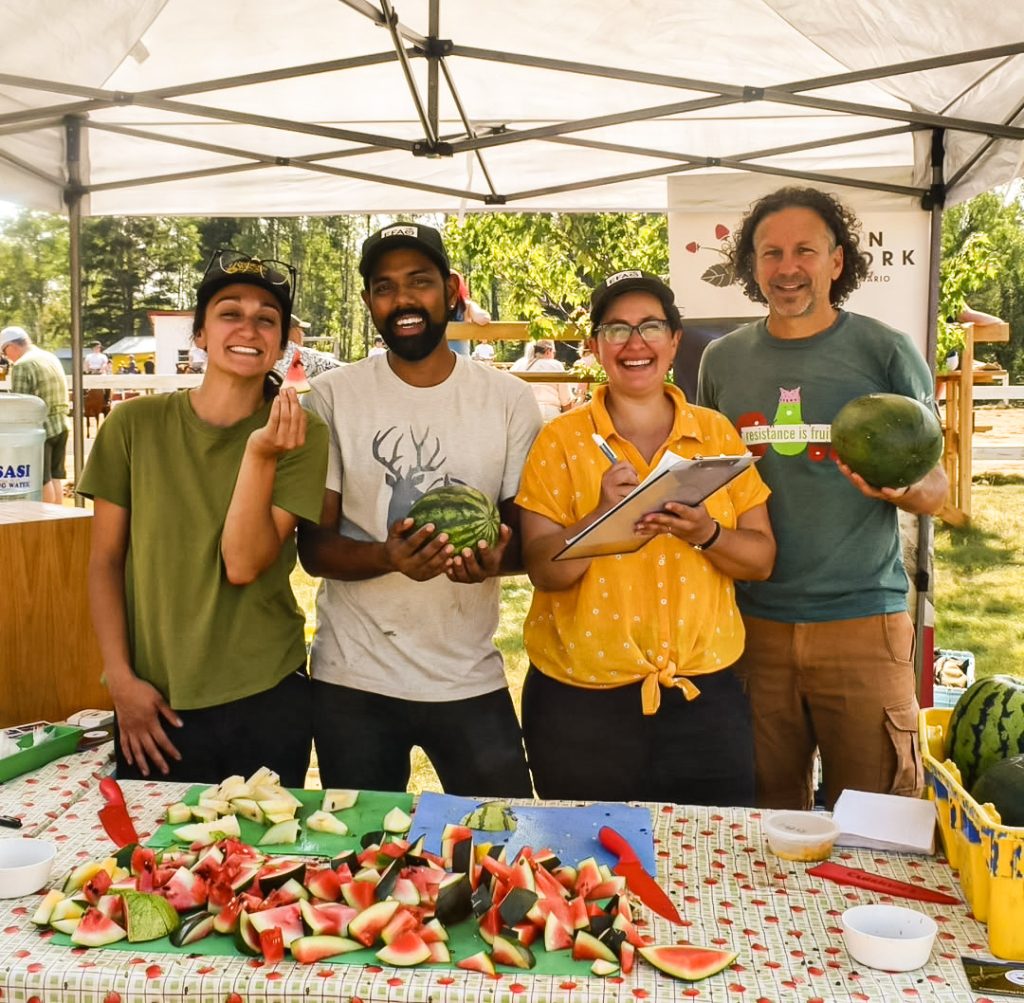
At the Hymers Fair, FAN-NWO joined Superior Seed Producers, EFAO, Gaia Organics and LUARS to talk about seed saving, sample locally grown watermelon, and collect seeds with hundreds of curious fair-goers. Vibrant red, yellow, white, orange, and marbled watermelons drew a steady crowd, and many people left with seeds to plant next spring.
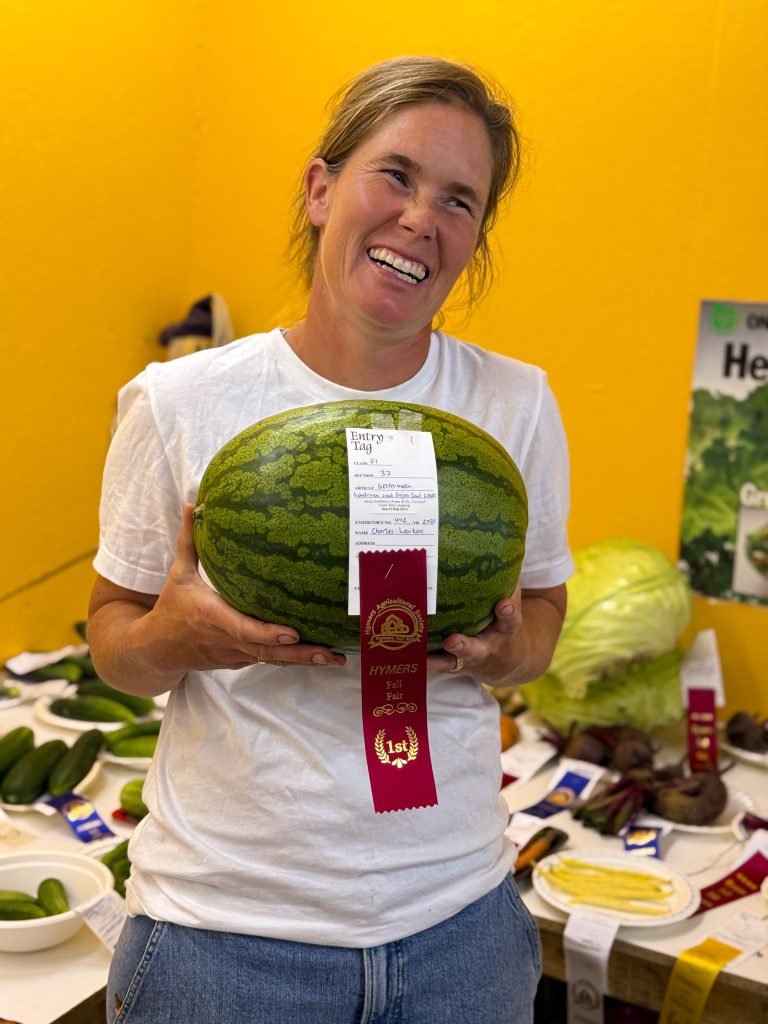
A highlight of the weekend: a watermelon from the regional breeding project won first place at the fair. Pictured here (left) is Evalisa McIllfaterick, FAN-NWO board member and owner of Root Cellar Gardens, proudly holding her winning entry.
Fall Seed Cleaning, Squash Tasting & Pie-Making Event (November 22, 2025)
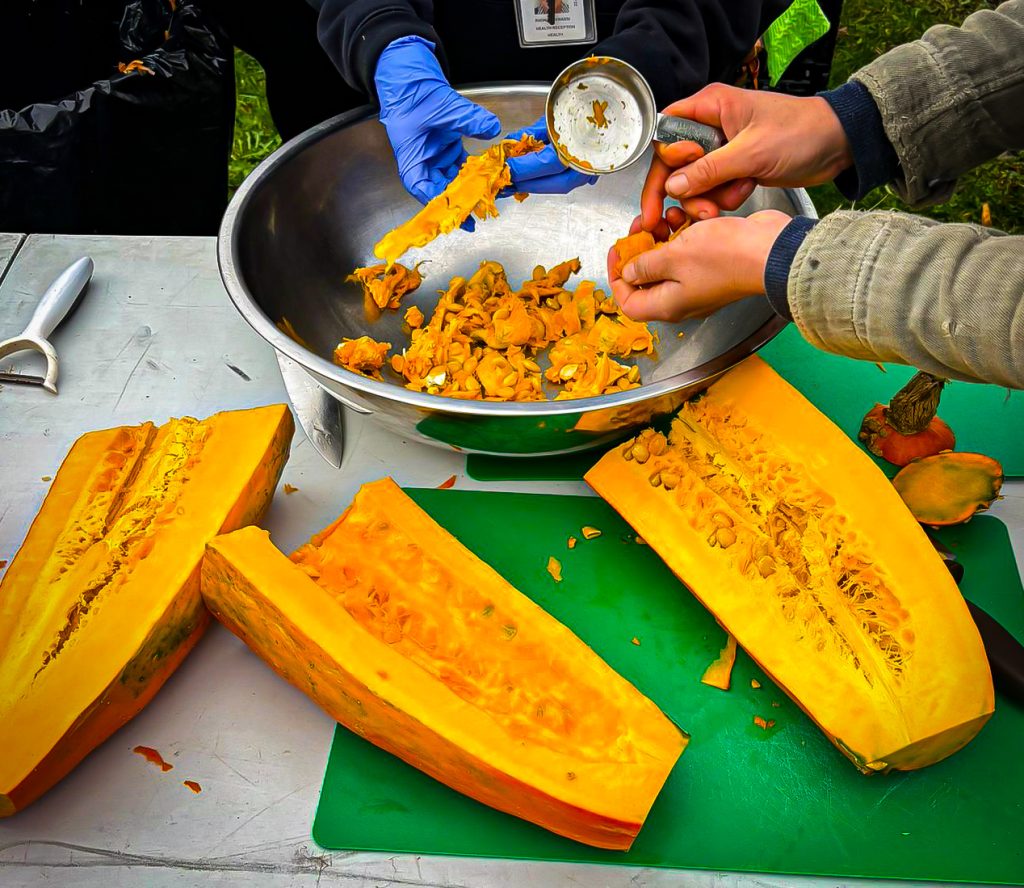
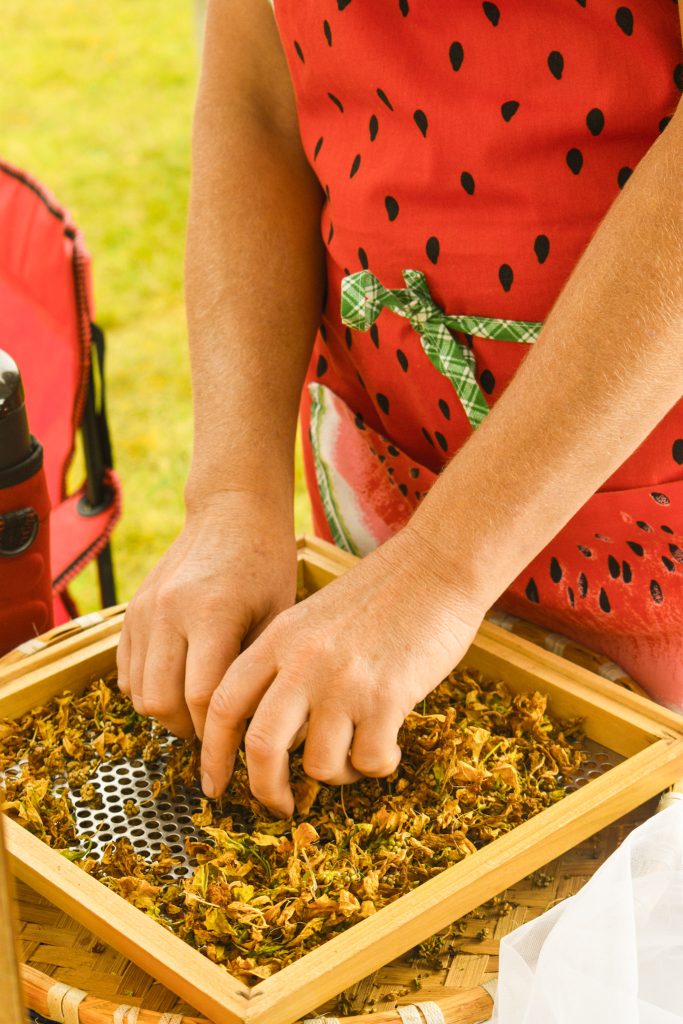
To wrap up the season, LUARS and the Sustainable Food Systems Lab hosted their annual squash celebration at Roots Community Food Centre. Community members made squash pies, tasted local varieties, and learned seed-saving skills from Superior Seed Producers. Hands-on stations featured regionally adapted and saved amaranth, oats, parsnips, and squash, giving people a chance to process seeds themselves. Laughter, stories, and the smell of fresh pies filled the space as folks connected over local food and left with new skills (and delicious pies) in hand.
This work is part of the Breeding Diversity project led by two FAN-NWO Board members: Evalisa McIllfaterick (farmer and owner of Root Cellar Gardens), and Dr. Charles Levkoe (Lakehead University professor and Canada Research Chair in Equitable and Sustainable Food Systems). The goal: resilient, northern-adapted varieties that support long-term regional food sovereignty.
Why Local Seed Work Matters
Here at home and around the world
Seed stewardship in Northwestern Ontario is part of a global movement. Communities worldwide are protecting seeds from corporate control, preserving biodiversity, and ensuring people can define their own food systems. Our local projects contribute to this effort, showing that meaningful change often starts with the seeds we save and share at home.
The same forces shaping food systems in Mali, Mexico, or India also shape Northwestern Ontario: corporate consolidation, climate instability, and ongoing colonial legacies. Seed sovereignty connects these struggles. Seed sovereignty links these struggles, because protecting seeds safeguards biodiversity, builds climate resilience, and defends communities’ right to shape their own food futures.
If people cannot save and plant a seed, they cannot feed themselves. When communities can save and share seeds, they keep knowledge in local hands, strengthen food security, and connect their work to broader global movements for seed justice. What we grow and protect here is both local and global, proving that small, community-led actions can ripple outward to make real change.
Interested in Growing Local Seed?
You can learn more about the LUARS-led breeding work and sign up for project seed distribution at: foodsystems.lakeheadu.ca/agroecology-in-canada
Local, community-saved seeds are also available through:
- Superior Seed Producers
- Root Cellar Gardens
- Community seed exchanges such as Seedy Saturday
Anyone with a garden can take part in strengthening our northern food system, one seed at a time.
Key Terms
Landrace
A seed that becomes adapted to a specific place through many years of natural and farmer selection. Landraces are genetically diverse and resilient, making them well suited to northern climates and shifting weather conditions.
Seed Sovereignty
The right of communities to save, share, and steward seeds. This protects biodiversity, culture, and long-term food autonomy.
Seed Saving
The practice of collecting, cleaning, and storing seeds for future planting. Over time, this helps plants adapt to local conditions and keeps seed knowledge in community hands.
Agroecology
A way of growing food that integrates ecological principles with cultural, social, and community knowledge. Agroecology is more than a technique. It is a movement grounded in ancestral knowledge, feminist leadership, youth, and territorial rights.
Food Sovereignty
A movement centered on the right of peoples to define their food systems, from how it is grown to how it is shared. It prioritizes healthy and culturally appropriate food produced through sustainable methods and rejects systems driven by corporate profit.
